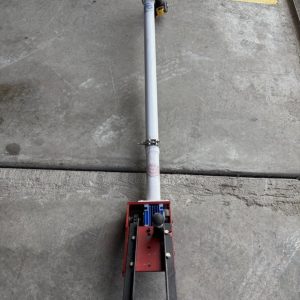
The Aircraft Electric Tow Bar – Mini Max Style provides convenient powered assistance for pilots, aircraft technicians, private owners, and aviation businesses that need dependable movement inside or around a hangar. A properly selected Aircraft Electric Tow Bar can support safer, more efficient aircraft positioning while limiting the effort required from the operator.
The Electric Tow Bar for Aircraft is available as a well-maintained used unit for operators who want dependable ground-handling equipment without the expense of a large powered tug. The value of a Used Electric Aircraft Tow Bar depends on condition, completeness, prior use, aircraft compatibility, and the availability of suitable replacement parts or accessories.
The compact design of a Mini Max Aircraft Tow Bar makes it a practical option for individual aircraft owners, small maintenance shops, and shared hangar facilities. The included Aircraft Tow Bar with Drill and Aircraft Tow Bar with Charger create a more complete package for users who want equipment that can be prepared for service without sourcing major accessories separately.
The Portable Aircraft Tow Bar design can support flexible use across private hangars, shared aviation facilities, maintenance shops, and general aviation ramps. The Electric Airplane Tow Bar configuration offers powered assistance for controlled movement while remaining compact enough for many private aviation environments.
When evaluating Aircraft Ground Handling Equipment, owners should compare towing capacity, aircraft connection, controls, storage size, portability, and total operating cost. The package may be described as an Electric Aircraft Mover because it provides powered assistance for aircraft positioning without requiring a conventional motorized tug.
Key Benefits of a Mini Max Style Electric Tow Bar
The Aircraft Electric Tow Bar – Mini Max Style uses compact powered assistance to help an operator reposition a compatible aircraft with less manual effort than a conventional unpowered tow bar. The buyer should assess the complete operating environment because aircraft weight alone does not determine whether the tow bar is suitable.
The smaller configuration can allow closer operator involvement and improved visibility during slow aircraft positioning. Powered assistance does not replace careful observation, communication, and safe movement procedures around aircraft, doors, walls, vehicles, or personnel.
Electric Tow Bar for Aircraft Benefits
An Electric Tow Bar for Aircraft can reduce the strain associated with moving an airplane manually, particularly when the aircraft must be repositioned frequently or handled by one primary operator. The equipment can be useful for private aircraft ownership, maintenance inspections, washing, fueling preparation, hangar organization, and temporary repositioning.
Ground handling equipment can support safer hangar practices by limiting the need to start an aircraft solely for minor repositioning. However, the operator must ensure that brakes are released appropriately, control locks are considered, the intended path is clear, and the aircraft is prepared for towing.
Choosing a Used Electric Aircraft Tow Bar
Purchasing used equipment can be practical for owners who need occasional aircraft movement and do not require the cost or capacity of a large commercial tug. The seller reports that this unit was used with a Navion aircraft for approximately six months and replaced after an upgrade to a dedicated tow tug.
Current images should show the complete tow bar from several angles as well as close views of high-load areas and identification markings. The buyer may request a demonstration using an appropriate load so the tow bar is not evaluated only while running freely without resistance.
Mini Max Aircraft Tow Bar Operation
The design offers a practical approach for light-aircraft owners who need reliable assistance without maintaining a substantial piece of motorized equipment. It may be suitable for hangars with limited turning room because the operator remains close to the tow connection and can make slow directional adjustments.
Before use, the buyer should confirm that the tow bar interfaces correctly with the intended aircraft without damaging the gear, fairing, tire, or steering system. Safe operation requires keeping within the aircraft manufacturer’s towing limits and avoiding excessive steering angles or sudden directional changes.
Choosing an Aircraft Tow Bar with Drill
A powered drill allows the tow bar to generate controlled movement while keeping the overall system relatively compact and portable. The selected drill must remain firmly connected to the drive system and should be inspected for heat, unusual noise, slipping, or excessive load.
Smooth drill input supports controlled starts, predictable stopping, improved traction, and reduced stress on the towing connection. Drive connections may require cleaning, adjustment, lubrication, or replacement depending on the tow-bar design and operating history.
Choosing an Aircraft Tow Bar with Charger
A complete charging arrangement supports routine readiness by allowing the operator to restore battery capacity after use. The buyer should request the charger model and input requirements when the equipment may be used in a region with different electrical standards.
The charger and battery should be stored in a clean, dry, protected location where they cannot be damaged by tools, vehicles, fluids, or hangar traffic. Good battery management is an essential part of dependable operation for any drill-powered aircraft tow bar.
Portable Aircraft Tow Bar Storage
A Portable Aircraft Tow Bar may be transported more conveniently than a full-size tug, depending on its weight, dimensions, and storage configuration. Loose accessories such as the drill, charger, adapters, pins, and fasteners should be stored separately in labeled protective containers.
A wall bracket, floor stand, storage shelf, cabinet, or protected corner may help keep the unit organized and prevent accidental contact inside the hangar. Shared facilities may benefit from assigning responsibility for charging, inspection, storage, and reporting any equipment concerns.
Choosing a Powered Aircraft Tow Bar
A Powered Aircraft Tow Bar can provide controlled force for moving an airplane while reducing dependence on manual pushing, pulling, or assistance from several people. A unit that appears powerful while unloaded may behave differently when attached to an aircraft on a slope, rough pavement, or high-resistance surface.
Hands, feet, clothing, cables, and tools must remain clear of wheels, drive parts, attachment points, and the aircraft’s movement path. The operator should never rely exclusively on the tow bar to hold an aircraft stationary on an incline.
Choosing an Electric Airplane Tow Bar
The equipment can support owners of compatible airplanes who need controlled movement before flights, after maintenance, or during hangar organization. Some aircraft may require adapters, different pins, specialized brackets, wheel-pant removal, or an alternative towing method.
Even a small floor obstruction can affect the tow bar’s wheels, alter steering, or create an abrupt load on the aircraft connection. Training should include normal use, emergency stopping, battery loss, traction loss, attachment inspection, and aircraft securing procedures.
Aircraft Ground Handling Equipment for Private Hangars
Larger powered tugs may be more appropriate when operators move several aircraft, work on significant gradients, or require continuous heavy-duty operation. The most suitable equipment provides reliable function, confirmed compatibility, manageable maintenance, safe control, and reasonable long-term ownership cost.
Routine maintenance may include cleaning, checking wheels, tightening hardware, inspecting welds, protecting metal surfaces, testing the powered drive, and reviewing attachment condition. The tow bar should remain clean enough for damage and wear to be seen rather than hidden by grease, dirt, or accumulated debris.
Using an Aircraft Hangar Tow Bar
The ability to reposition an airplane conveniently can improve hangar organization and simplify access to doors, storage, tools, and maintenance areas. Adequate lighting is important because shadows or poor visibility can conceal obstacles and make aircraft-clearance judgment difficult.
Only designated personnel should operate the unit, especially in shared hangars where unfamiliar users may not understand its controls or limitations. The drill, charger, adapter, and loose hardware should be returned to their assigned storage locations after use.
Maintaining Aircraft Moving Equipment
A drill-powered tow bar may provide an efficient balance of portability, simplicity, affordability, and useful towing assistance. Wheel resistance can increase because of low tire pressure, brake drag, uneven floors, cold conditions, or click here aircraft inactivity.
The landing gear and steering system should be handled within published limitations to prevent excessive rotation, binding, or structural stress. Regular maintenance preserves equipment value and gives the operator greater confidence during every aircraft movement.
Benefits of an Electric Aircraft Mover
An Electric Aircraft Mover allows the operator to remain close to the aircraft while controlling direction, speed, attachment, and clearance. The unit’s usefulness depends on compatibility, traction, battery performance, operator ability, towing route, and the condition of the aircraft’s wheels and brakes.
Battery-powered movement avoids exhaust emissions and allows the unit to operate without storing fuel near the aircraft. Recording drill and battery model numbers can simplify future replacement and help the buyer confirm compatibility with spare equipment.
Choosing Aircraft Mobility Equipment
Compact powered equipment may help operators use available floor space more effectively and maintain consistent aircraft parking positions. Different mobility devices serve different purposes, so owners should determine whether they need straight towing, side movement, tight rotation, lifting, or long-distance transport.
Shared hangars may establish an authorization list so only trained users operate the powered tow bar. Moving to a hangar with a steeper ramp, rougher pavement, or narrower door may require different equipment or additional assistance.
Light Aircraft Tow Bar Applications
The term Light Aircraft Tow Bar describes a broad category, so buyers should not assume that every compact unit fits every general aviation airplane. Proper fit protects the landing gear, steering stops, fairings, tires, brakes, and towing equipment during movement.
Light aircraft may still be difficult to move when parked on slopes, stored for long periods, fitted with low tires, or affected by brake resistance. Any uncertainty about capacity, condition, compatibility, or operation should be resolved before the aircraft is attached.
Routine Care for Aircraft Ground Equipment
Maintenance requirements may be simple compared with a full-size tug, but the unit should not be treated as maintenance-free equipment. Inspection frequency should increase when the equipment is used outdoors, shared among several operators, transported regularly, or exposed to moisture and uneven surfaces.
- Confirm that the towing assembly is complete, structurally sound, correctly adjusted, and free from damage that could affect aircraft movement.
- Test the drill, battery, charger, forward and reverse operation, speed response, torque setting, and stopping control before attaching the aircraft.
- Protect the system from moisture, chemicals, impact, vehicle traffic, excessive heat, freezing conditions, pests, and unintentional activation.
Choosing the Right Aircraft Electric Tow Bar – Mini Max Style
The Aircraft Electric Tow Bar – Mini Max Style offers an appealing combination of powered operation, portable design, direct control, and included accessories. The strongest purchase decision begins with confirming aircraft compatibility, inspecting equipment condition, testing powered operation, reviewing package contents, and understanding the intended towing environment.
Whether buyers need an Aircraft Tow Bar with Drill, Aircraft Tow Bar with Charger, Portable Aircraft Tow Bar, or Powered Aircraft Tow Bar, every included component should be tested before regular service. With professional compatibility review, controlled use, organized storage, and preventive maintenance, the unit can remain a practical alternative to larger towing machinery.